
Nourishing Your Body: A TCM-Inspired Anti-Inflammatory Diet for Migraine Relief

Did you know that migraines affect up to 1.1 billion people worldwide, causing pain, disability, and lost productivity? In the United States alone, roughly 39 million people experience migraine attacks, with about 18 percent of American women reporting migraines at some point in their lives.
Despite how common they are, migraines are often misunderstood. Migraines are not simply headaches. They are a neurological disorder marked by intense throbbing pain, nausea, and sensitivity to light or sound, lasting from 4 hours to 3 days per episode.
While medications remain a cornerstone of traditional migraine management, emerging research suggests that dietary changes, particularly anti-inflammatory eating patterns, can significantly reduce the frequency, severity, and duration of migraines.
Why Inflammation Matters in Migraines
Inflammation is increasingly recognized as a key contributor to migraines. Low‑grade, chronic inflammation can sensitize pain pathways in the brain, including the trigeminovascular system, which plays a central role in migraine attacks. When this system is more reactive, migraines may occur more easily, feel more intense, and last longer.
Diet plays a significant role in regulating inflammatory processes, which has led researchers to explore the impact of nutrition on migraine frequency and severity. Multiple studies suggest that anti-inflammatory dietary patterns are associated with fewer migraine episodes, reduced pain intensity, and improved overall symptom control.
While modern research explains inflammation through immune and neurological pathways, TCM approaches this process through a different yet complementary framework.
Understanding Inflammation Through TCM Lens
Common migraine‑related patterns include:

Liver Qi stagnation
Often linked to stress, emotional tension, and irregular routines. Migraines may feel tight, band‑like, or pressure‑driven.

Liver Yang rising or internal heat
Frequently associated with throbbing pain, light sensitivity, irritability, or heat sensations.
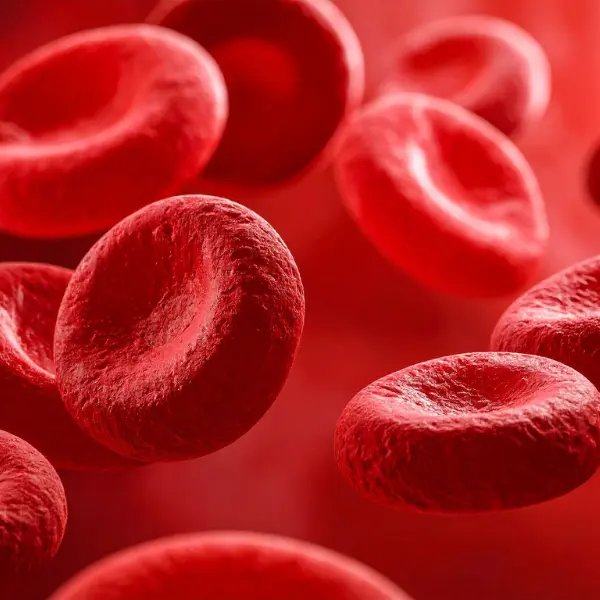
Blood or Yin deficiency
Migraines may occur with fatigue, dizziness, or around the time of menstruation.
Because these patterns vary, TCM emphasizes personalization. Diet, herbs, and lifestyle strategies are chosen to gently calm inflammation, support circulation, nourish deficiencies, and regulate the nervous system, rather than applying a one‑size‑fits‑all solution.
Whether viewed through modern science or TCM, both systems point to the same conclusion: reducing inflammation and restoring balance are central to migraine relief.
How an Anti-Inflammatory Diet Supports Migraine Relief
An anti-inflammatory diet can serve as a foundational tool in migraine management by helping regulate immune responses, stabilize blood sugar, and reduce physiological stress on the nervous system.
Research shows that higher adherence to an anti-inflammatory diet correlates with lower frequency and severity of migraine attacks. With this foundation in mind, certain foods stand out for their ability to calm inflammation, support the nervous system, and reduce common migraine triggers.
Here’s a closer look at anti-inflammatory foods that can support migraine management:

Fatty fish and seeds
Effect: Salmon, sardines, flaxseeds, and chia seeds are rich in omega-3 fats, which help reduce inflammation. Studies show these foods may significantly reduce the number of headache hours.

Fruits and vegetables
Effect: Fruits and vegetables provide antioxidants, fiber, and plant nutrients that help protect against inflammation. Higher fiber intake has been linked to fewer severe headaches and migraines.

Nuts and seeds
Effect: Almonds, walnuts, pecans, and seeds such as flax, pumpkin, and sesame contain healthy fats and minerals like magnesium, which has been associated with reduced migraine frequency.
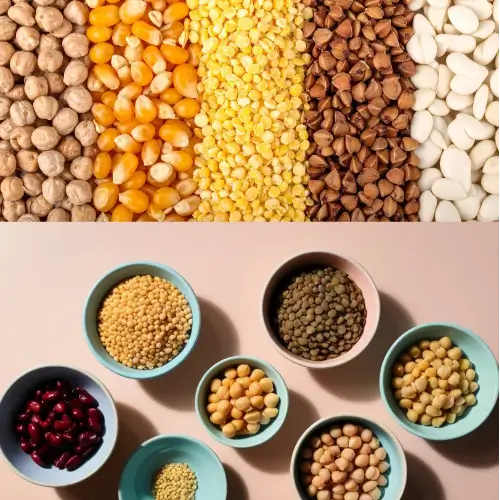
Legumes
Effect: Beans, lentils, and chickpeas are high in fiber and plant-based protein. They help keep blood sugar steady, which is important because blood sugar drops can trigger migraines for some people.

Herbs & Spices
Effect: Turmeric and ginger have natural anti-inflammatory properties. Research suggests they may help reduce inflammation and ease migraine symptoms Chamomile, lemon balm, and passionflower help calm the nervous system and are especially supportive when stress or poor sleep are triggers.
Just as some foods help calm inflammation, others may trigger or worsen migraines—especially in people who are sensitive to them. Common trigger foods include:

Processed food
Effect: Often contain additives like nitrates and nitrites and are higher in inflammatory fats, which may trigger migraines.

Refined carbohydrates and sugary foods
Effect: Foods such as white bread, pastries, and sweets can cause rapid blood sugar changes that may bring on headaches.

Excessive caffeine or alcohol
Effect: Too much caffeine or alcohol can trigger migraines, and suddenly stopping caffeine may also cause withdrawal headaches.

MSG and artificial sweeteners like aspartame
Effect: Ingredients like monosodium glutamate (MSG) and artificial sweeteners such as aspartame have been linked to migraines in some individuals.
Knowing what to emphasize and what to limit makes it easier to translate theory into daily practice. A balanced, flexible meal plan can help bring these principles to life.
Sample TCM-Inspired Anti-Inflammatory Meal Plan
Managing migraines isn’t about following rules perfectly. It’s about small, consistent choices. Dr. Carolyn Cook, a licensed acupuncturist and TCM practitioner, encourages treating this meal plan as a flexible guide that adapts to your body.
Tracking meals and symptoms can help you notice what helps and what doesn’t. In TCM, the stomach prefers warmth, so choosing warm, cooked foods can feel more nourishing and supportive, potentially easing migraine symptoms gradually.

Breakfast
Warm breakfasts help “turn on” digestion and prevent sluggishness or bloating throughout the day.
Begin the day with hot cereal, such as:
Warm oatmeal, congee, or cream of rice
Add cooked fruits (stewed apples, pears, or berries) for natural sweetness
Sprinkle chia seeds or ground flax for gentle fiber
Include soft-cooked eggs (boiled, scrambled, or poached) for grounding protein
Drink warm tea such as ginger, ginger-chamomile, or cinnamon tea to wake up digestion and circulation

Lunch
Midday warmth supports sustained energy and prevents digestive fatigue.
If having a salad, always pair it with a hot soup (vegetable, bone broth, or miso)

Snack
Warm snacks stabilize blood sugar without shocking the stomach.
A small bowl of warm soup or broth

Dinner
Warm dinners calm the nervous system and support overnight healing.
Lentil, chicken, or vegetable stew
Root vegetables (sweet potato, squash, carrots)
Serve with brown rice or another warm grain

Hydration
Overall, this approach emphasizes anti-inflammatory, nutrient-dense foods that support stable blood sugar, healthy fats, and key nutrients such as magnesium, all of which may help reduce migraine frequency and intensity.
As one of Dr. Cook’s patients shares:
“I started working with Dr. Carolyn Cook after I was referred to another acupuncturist for back pain & migraines. At that time, I was prescribed some herbs that did not sit well with me and made me feel extreme discomfort in my stomach. Dr. Cook took a slow and meticulous approach to my health that I am extremely thankful for. She has brought me back to the healthiest I have been in years, and I can’t thank her enough for it.”
Embrace Migraine Care with Miami Herbs
An anti-inflammatory diet is not a cure for migraines, but research suggests it may help reduce how often migraines occur and how severe they feel. Consistency, personalization, and mindful food choices are key.
Miami Herbs offers herbal supplements and tonic blends that complement an anti-inflammatory diet. Ingredients such as turmeric and ginger support natural inflammation control and overall wellness. These products can be used alongside a balanced diet as part of a holistic migraine management approach.
Combining whole foods with supportive herbal supplements such as those from Miami Herbs can help migraine sufferers manage symptoms naturally.
Sources
Overcoming migraines naturally with TCM; Lifted from
https://legacyintegrativepain.com/overcoming-migraines-naturally-with-traditional-chinese-medicine/
Anti-inflammatory diet; Lifted from
https://headaches.org/resources/anti-inflammatory-diet/
Food and drinks that may help manage migraine; Lifted from
https://www.healthline.com/health/migraine/what-to-eat-when-you-have-a-migraine
Metabolic dysfunction; Lifted from
https://www.mdpi.com/2076-3425/15/5/474
Dietary inflammatory potential and severe headache and migraine; Lifted from
https://pubmed.ncbi.nlm.nih.gov/39248716/
Consuming a diet with more fish fats, less vegetable oils can reduce migraine headaches; Lifted from
https://www.nih.gov/news-events/news-releases/consuming-diet-more-fish-fats-less-vegetable-oils-can-reduce-migraine-headaches
Diet and Headache; Lifted from
https://americanmigrainefoundation.org/resource-library/diet/
Food therapy and medical diet therapy;
https://www.sciencedirect.com/science/article/pii/S2352939317300829